FEMPPA Secures DUGAEAM Exemption for a Research Glider in Baja California
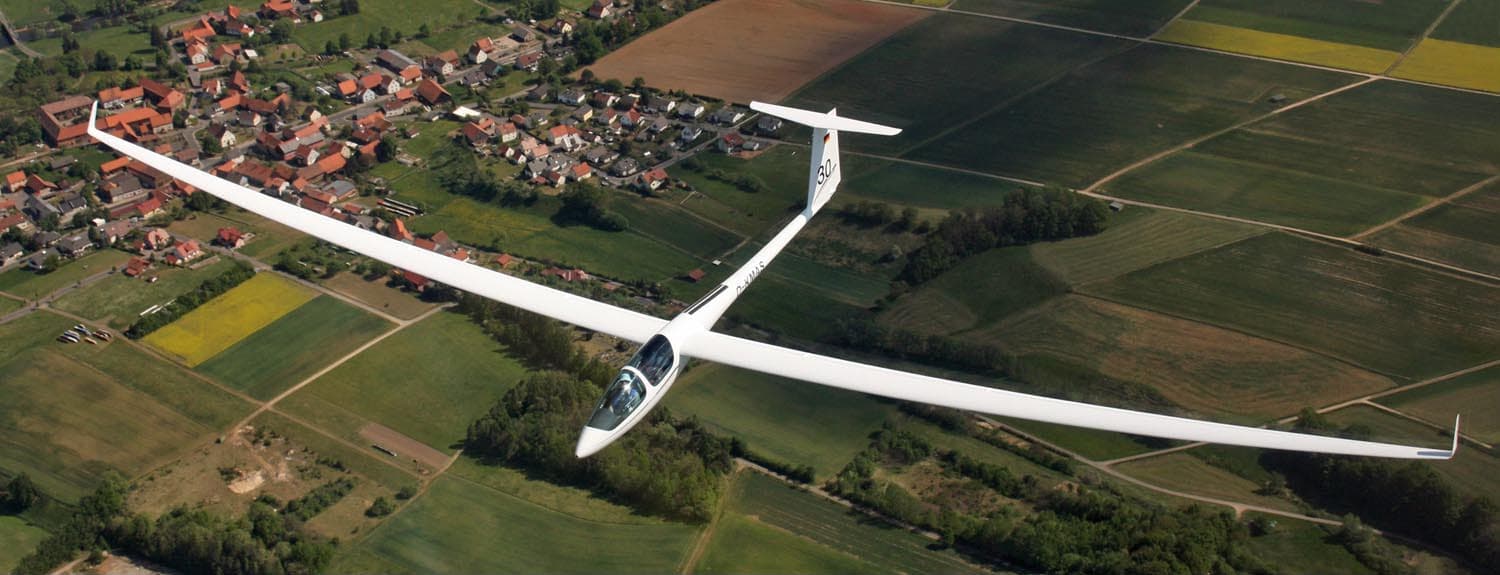
FEMPPA supported member Kempton Izuno in securing the application of the exemption established under Article 292 of Mexico’s Federal Rights Law for motor glider N307BE. Thanks to the responsiveness of ASA personnel in Loreto and its central offices, a MXN $19,750.83 DUGAEAM charge was removed, allowing a pioneering mission to study a potentially unique convergence line over Baja California to continue.
FEMPPA is pleased to share a positive outcome that brings together member advocacy, constructive cooperation with the authorities, and a truly remarkable aviation mission.
Our member Kempton Izuno is currently operating the Schleicher ASH 30 Mi, registration N307BE, in Baja California. This high-performance self-launching glider came to Mexico to investigate a distinctive weather phenomenon: a convergence line that can develop along much of the Baja California peninsula.
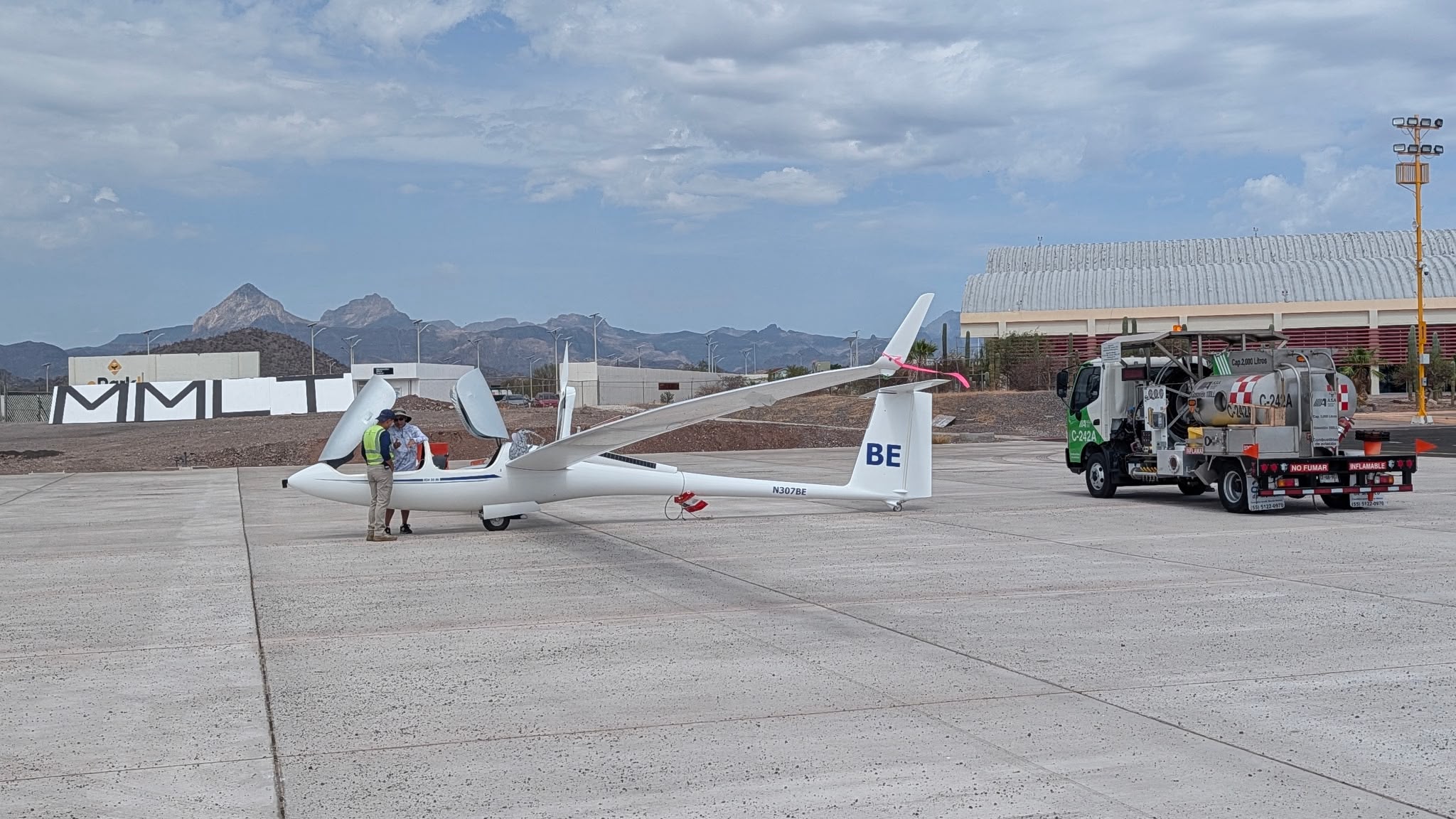
Visible as a line of cumulus clouds over the central portion of Baja California, this convergence may provide exceptional soaring conditions. A better understanding of its extent, frequency, and operational potential could make possible long-distance soaring flights, new records, and future visits by glider, hang-glider, and paraglider pilots from around the world.
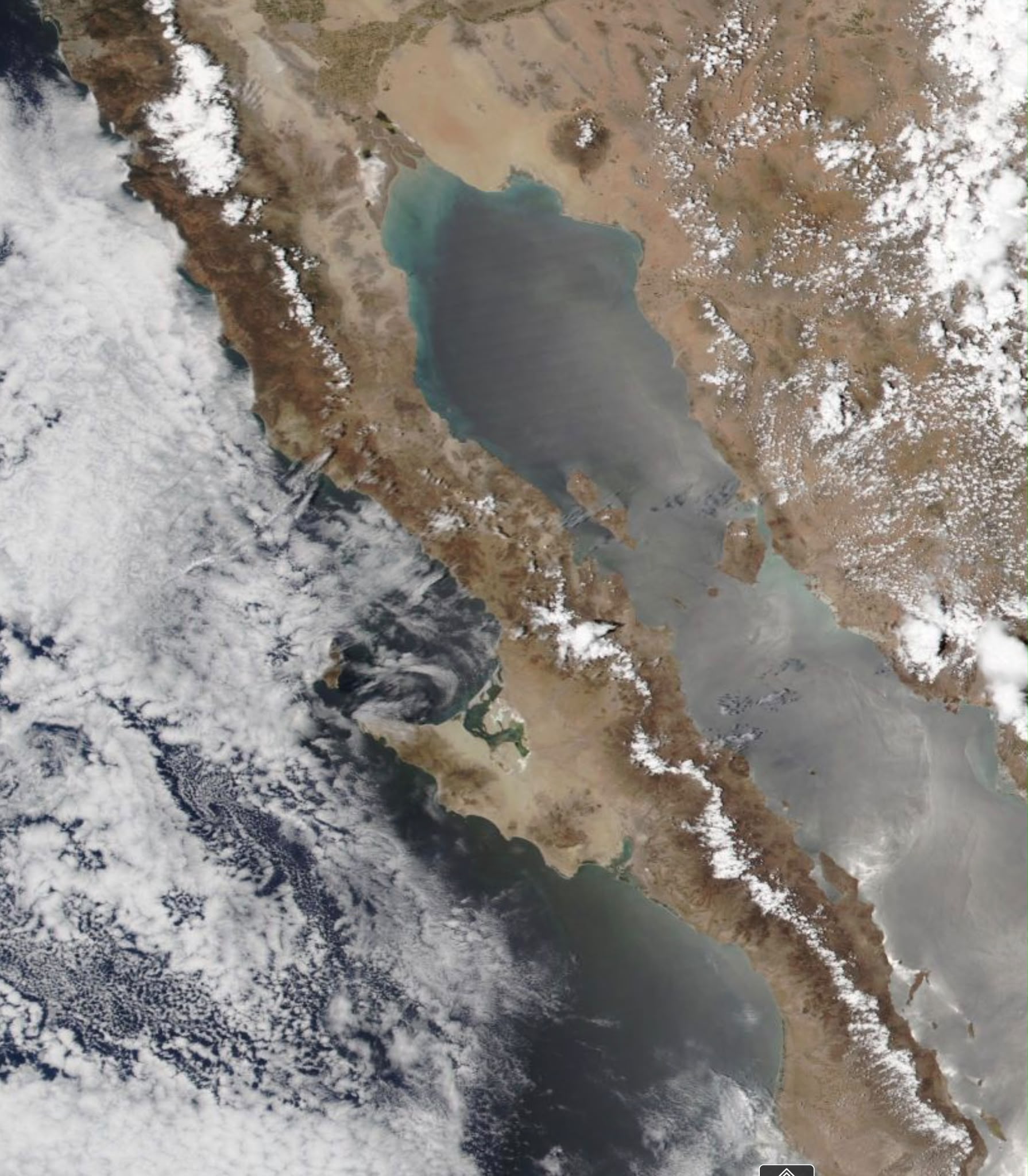
Kempton has more than 50 years of experience as a glider pilot. Since October, he has worked to obtain the necessary aircraft entry authorizations, operational clearances, coordination, and permissions to conduct this research mission in Mexico.
A charge that required review
During a fuel uplift at Loreto International Airport, Aeropuertos y Servicios Auxiliares included a MXN $19,750.83 DUGAEAM charge on the service receipt, calculated on the basis of the aircraft’s 26.5-meter wingspan.
However, the final paragraph of Article 292 of Mexico’s Federal Rights Law provides:
Likewise, the fee shall not be payable by aircraft belonging to the armed forces, aircraft used for public and national security, or aircraft that do not use engines or turbojets to sustain flight.
Although the ASH 30 Mi is equipped with a retractable engine that may be used for self-launching, climbing, or as an operational backup, its principal mode of operation is that of a glider. During normal soaring flight, the engine is shut down and retracted, and the aircraft remains airborne through aerodynamic efficiency and rising air currents.
The mission itself clearly illustrated this distinction. The flight plan contemplated approximately seven hours of flight, while the aircraft carried fuel for less than three hours of engine operation. The aircraft therefore necessarily sustains most of its flight as a glider rather than through continuous engine thrust.
A successful intervention
At Kempton’s request, FEMPPA intervened to explain the aircraft’s technical and operational characteristics and to request that the charge be reviewed under Article 292 of the Federal Rights Law.
We are deeply grateful for the openness, responsiveness, and cooperation shown by Aeropuertos y Servicios Auxiliares personnel in Loreto, as well as the excellent support provided by ASA’s central offices.
After reviewing the matter, ASA added a notation to the receipt stating that the aircraft:
Does not pay DUGAEAM pursuant to Article 292 of the Federal Rights Law.
The charge was removed, and the aircraft was able to continue its operation without being required to pay the MXN $19,750.83 originally included on the receipt.
This outcome demonstrates how respectful collaboration, supported by clear technical and legal arguments, can help ensure that applicable provisions are interpreted according to the actual characteristics of each operation.

More than correcting a receipt
This case goes beyond correcting a charge. It also illustrates the importance of assessing each aircraft and operation according to its particular nature, rather than automatically applying criteria designed for conventionally powered aircraft.
It further demonstrates the value of having an organization capable of representing its members, presenting well-founded arguments, and working constructively with authorities and airport service providers.
We are especially pleased to have supported a mission intended to better understand a weather phenomenon that may be unique in the world.
Research into this convergence line could help establish Baja California as an exceptional soaring destination and eventually attract glider, hang-glider, and paraglider pilots from many different countries.
FEMPPA will continue working to promote a safer and more accessible general aviation environment, supported by clear and consistent criteria that reflect the nature of each operation.